
Prepared for eyes that keep score.
A concours car is not simply clean. It is correct — every surface finished to the standard of its class, judged at arm's length and in places the public never sees, from the underside of the sills to the far corners of the engine bay.
The work runs from first assessment to the moment the transporter door closes: decontamination, full correction, chrome, glass, trim, underbody and engine bay — each stage signed off under the inspection lamp before the next begins.
Paint, chrome, glass, underbody, engine bay. Judges look everywhere, so we finish everywhere.
Prepared against the judging criteria of your class — to the sheet, not to a house formula.
We can attend on the day — final wipe-down, a last pass under the lamp, quiet corrections before judging opens.
Handed over ready for enclosed transport, so the finish that leaves the studio is the one that reaches the field.
Choose the standard.
Every tier is finished under the inspection lamp by a single specialist. The difference is how far past the paint the preparation goes — and how long we stay with the car.
For a judged class, allow three to six weeks; a display-only show can be prepared in one. Booking matters more than starting — the bay holds one car at a time, and concours dates rarely move.
Everything the public does not: fastener heads, the underside of sills, glass edges, the far corners of the engine bay, tyre sidewalls. Points are rarely won on shine — they are lost in the details, which is where the preparation lives.
On request, yes. We meet the car on the field: a final wipe-down after transport, a last pass under our own lamp, quiet corrections before judging opens. For campaign clients, attendance is part of the tier.
Each car leaves with a written care protocol. For campaign clients we handle it ourselves — inspection between dates, correction of transport marks, storage checks — so every event begins from the same standard as the first.
What it really takes
to be judged.
Everything we believe about concours preparation, judged events and the show-day standard — the long version, for the people who actually read it.
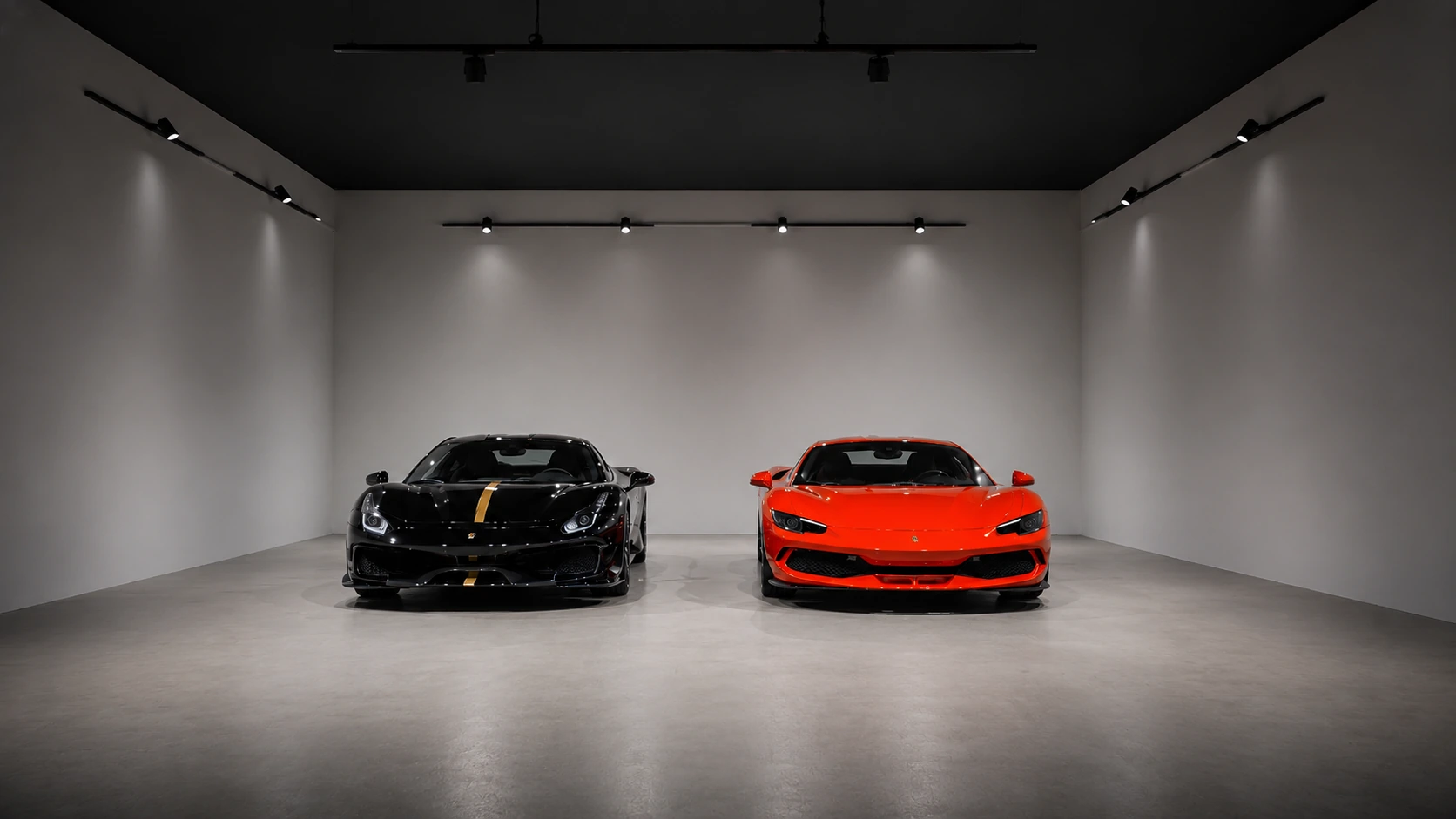
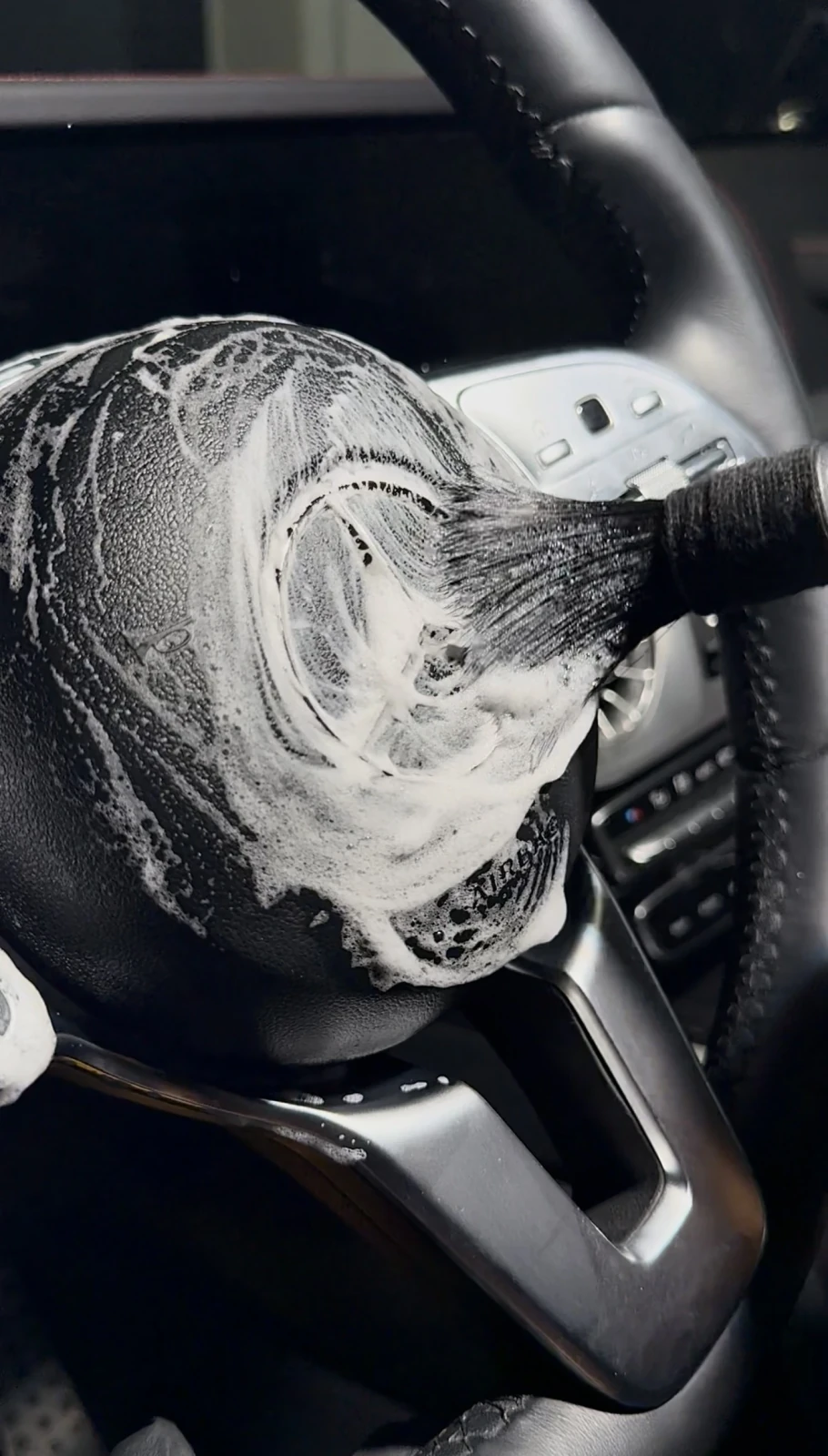
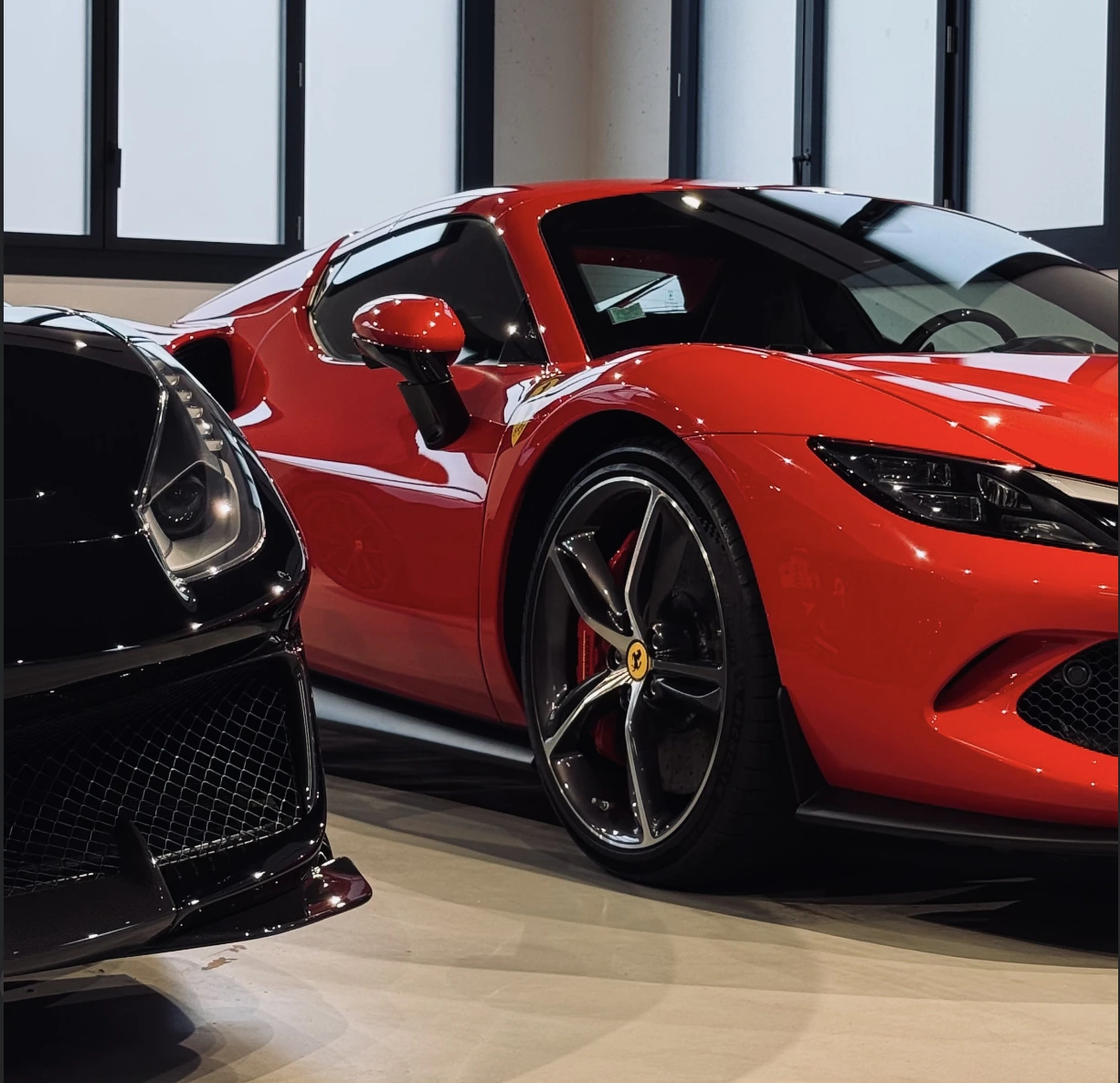 01
Nice · Côte d'Azur
01
Nice · Côte d'Azur
Points are lost, not won.
Every judged class begins at a perfect score, and the sheet only moves one way. Concours preparation is the discipline of removing reasons to deduct: a water spot inside a fuel filler, polish residue around a badge, a streak on the inside of the glass. Spectators see shine; judges see everything else.
That is why we prepare to the criteria of the class, not to a house formula. Before the first wash, we read the judging sheet the way we read paint — line by line, against the car actually in front of us.
Every surface is a scoring surface.
Paint is the beginning, not the whole. A concours car is judged with the bonnet open and sometimes from a mirror on the ground, so the engine bay, the underbody, chrome, glass and trim are finished to the same standard as the clear coat — under the inspection lamp, panel by panel.
The correction itself goes further than a road car will ever need — every panel to a single uninterrupted reflection, every shut line clean enough to be photographed at a hand's width.
The event is part of the work.
A perfect finish that arrives with transport marks scores like an imperfect one. Every car is handed over ready for enclosed transport, and on request we travel with it: a final wipe-down on the field, a last pass under our own lamp, small corrections made quietly before the class is called.
Show morning is not the moment to discover a problem. It is the moment everything already done becomes visible — which is exactly how we prepare for it.
One car, one standard, in Nice.
We prepare concours cars by appointment, in a sealed single bay on the Côte d'Azur — one car at a time, one specialist from first assessment to transport handover. The region's calendar is generous with judged events; our diary, deliberately, is not.
Between events we hold the standard: a written care protocol, storage checks, correction of whatever the season leaves behind — so the car that opens the next event is the car that finished the last.